Photos
In pictures
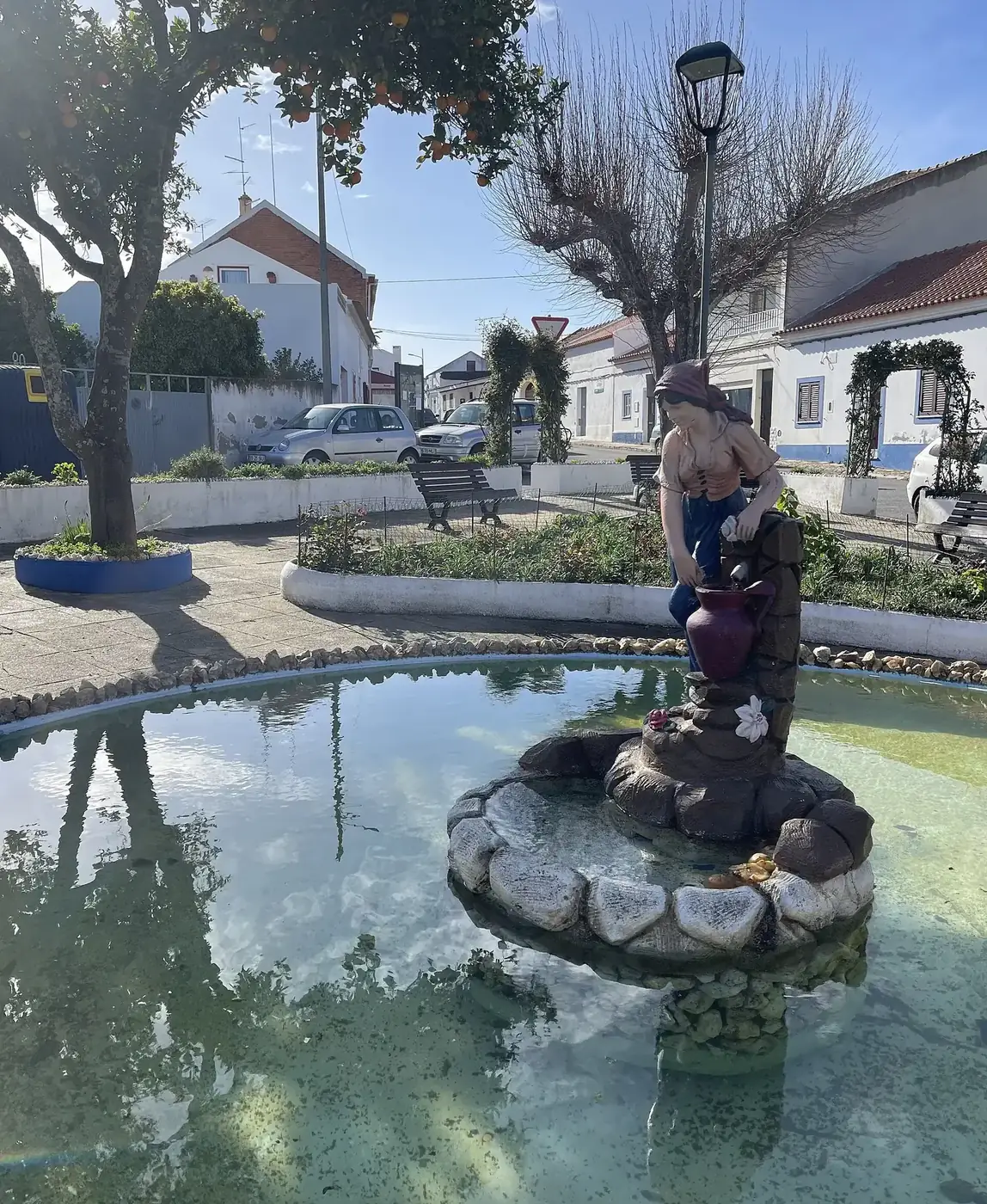
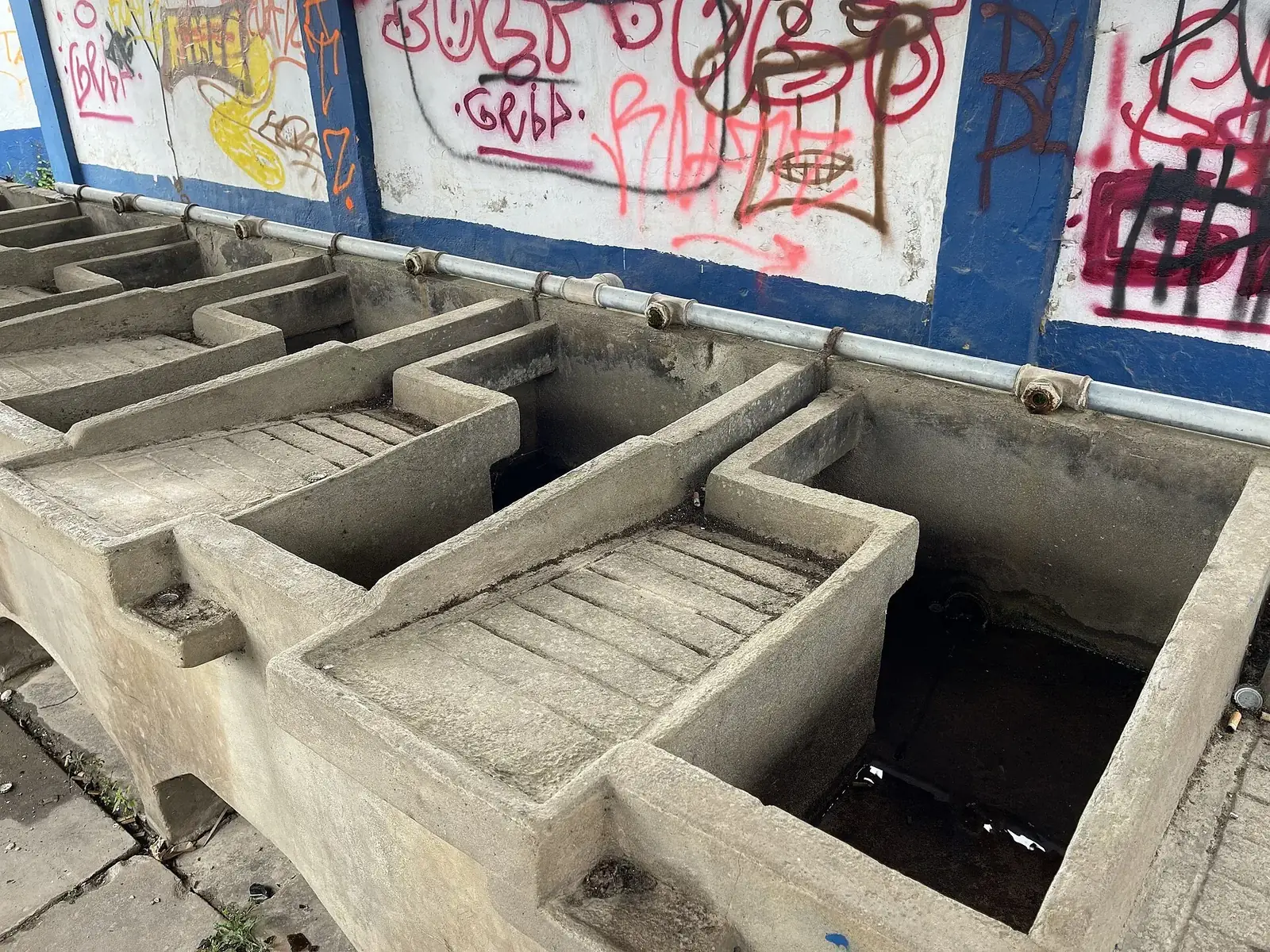
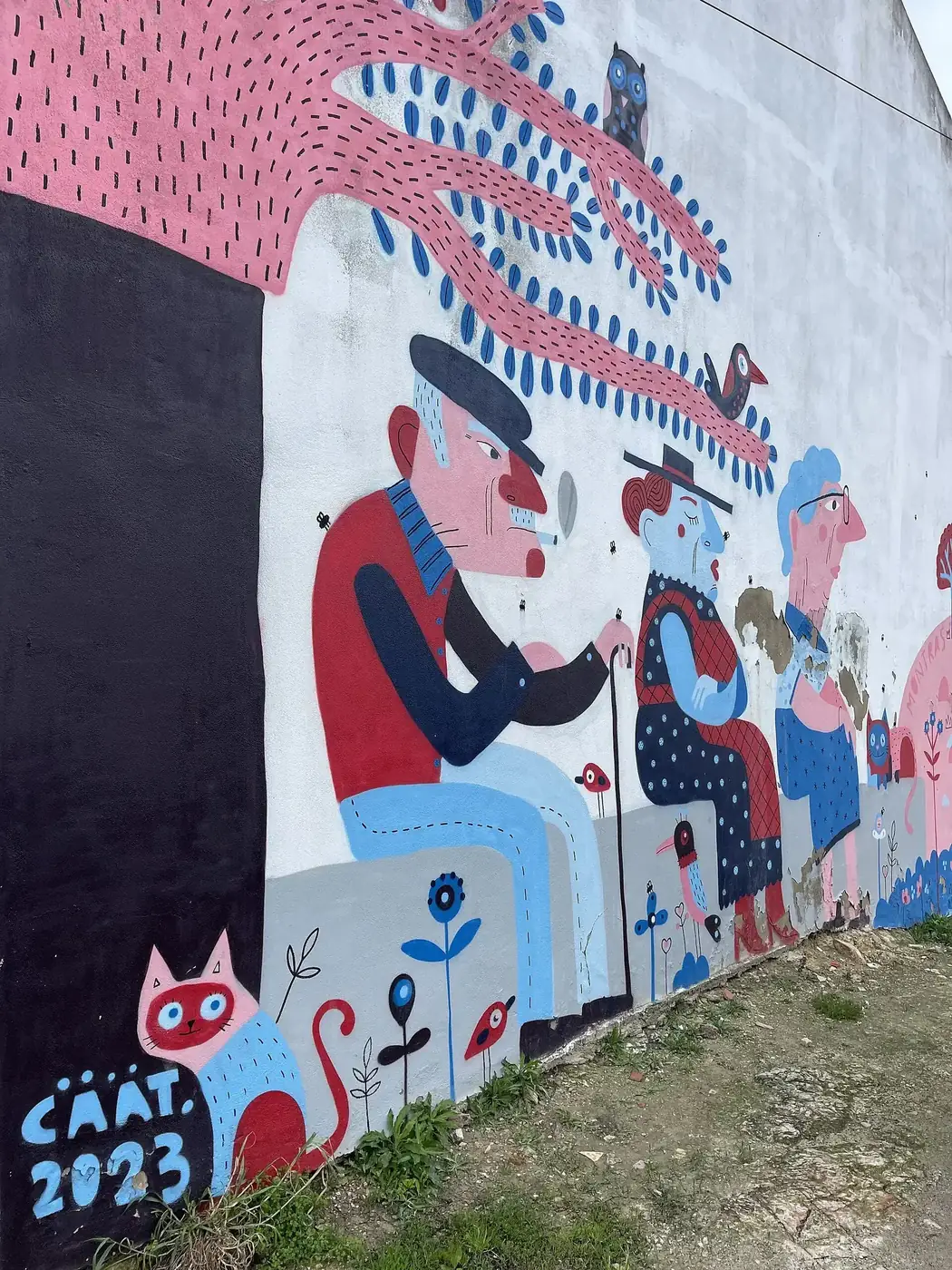
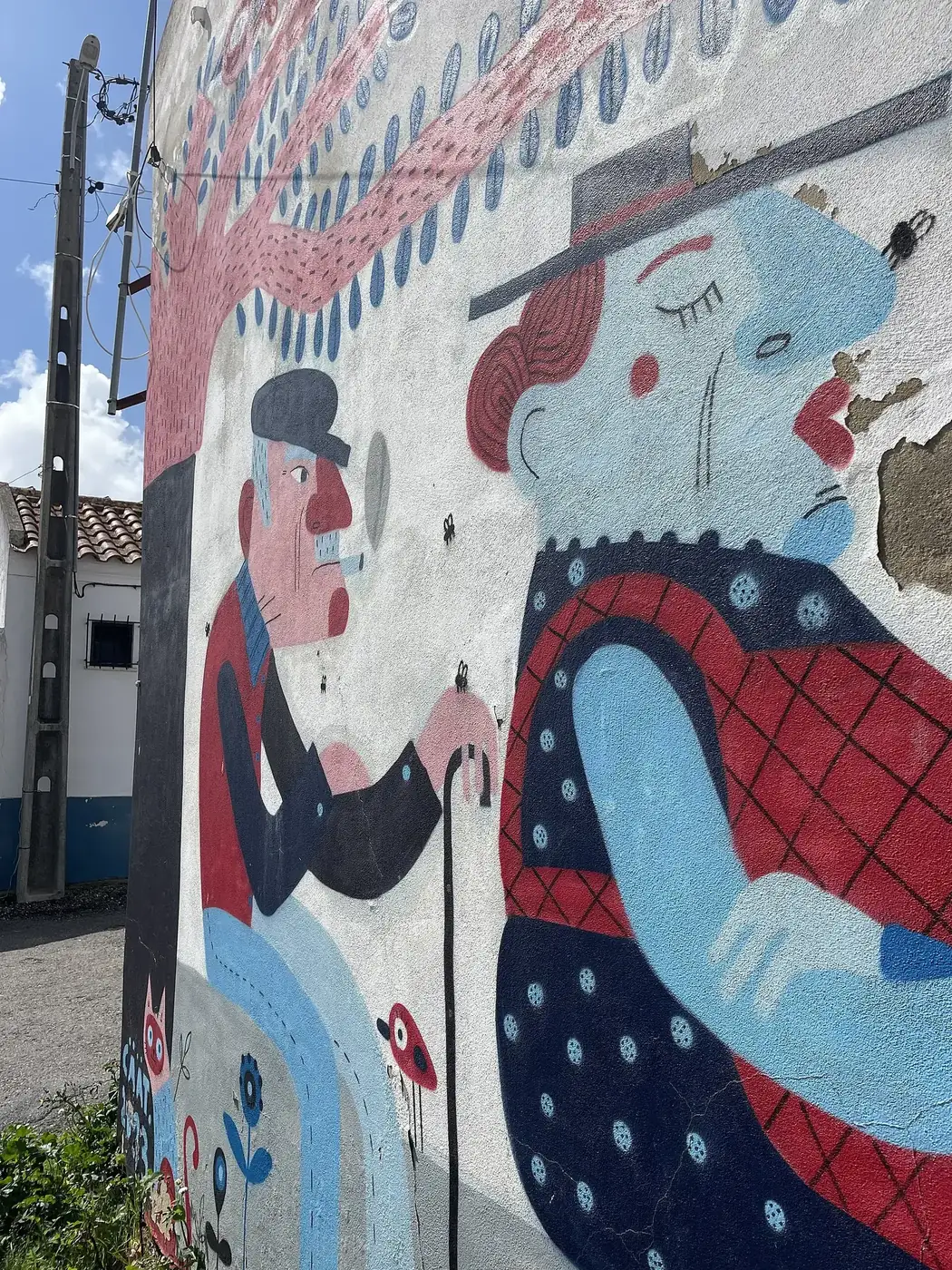
Narrow streets of whitewashed houses, rammed-earth buildings and a 1940s wash house — in a parish inhabited since the Bronze Age.
Foto: tjabeljan / Wikimedia Commons, CC BY 2.0The São Luís area has been inhabited at least since the Bronze Age. The territory became part of the municipality of Odemira with the charter of 1256, although at some point it belonged to Vila Nova de Milfontes. Millstones for grinding grain were made here and sold across the region.
The village keeps narrow streets of whitewashed houses and a few notable buildings: the Municipal Market and the Casa do Monte dos Troviscais, both built in rammed earth (taipa), the 1940s Municipal Wash House and the Casa do Povo.
In 1960 the parish had 4,345 inhabitants and was the second most populous in the municipality of Odemira; the 2021 census counted 1,882. Covering about 147 km², the parish is shaped by the Mira River, the Torgal stream and the São Domingos hills.
Information collected from public sources (listed above). Access, conditions and timetables can change — please check before you go.